

Policy Dialogue at School of Education Explores Climate-Related Educational Disruptions in Pakistan
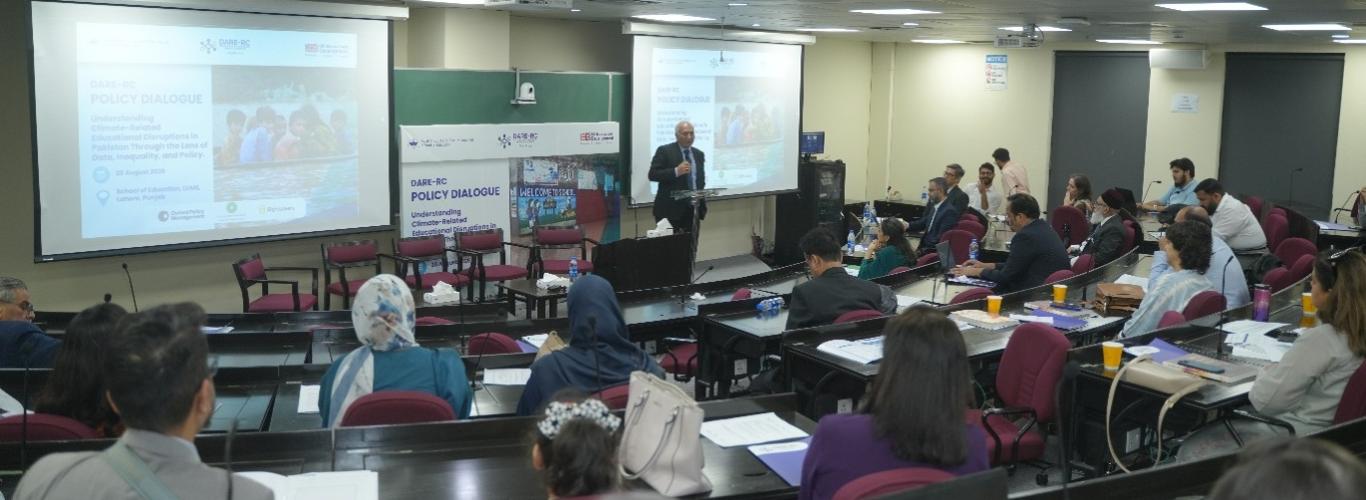
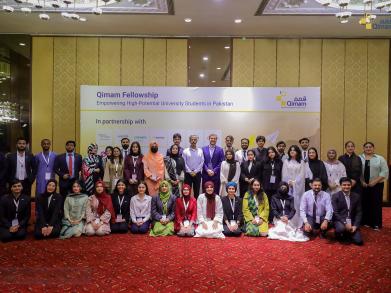
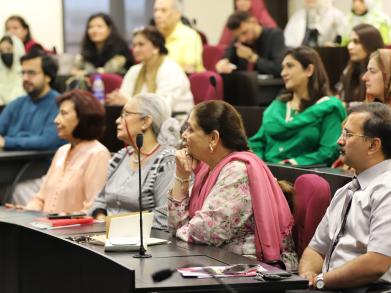
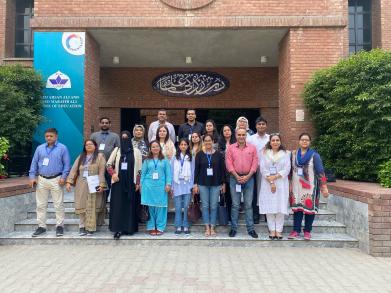
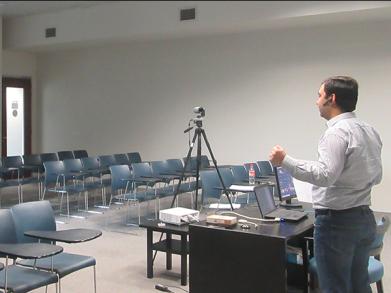
On August 20, 2026, LUMS School of Education (SOE), in collaboration with DARE-RC, hosted a policy dialogue titled “Understanding Climate-Related Educational Disruptions in Pakistan Through the Lens of Data, Inequality, and Policy.” The event brought together policymakers, researchers, government officials, civil-society representatives, and development partners to discuss how climate-related disruptions affect education and deepen existing inequalities.
The session opened with welcome remarks from Dr. Walther Schwarzacher, Dean of the School of Science and Engineering, followed by an overview of DARE-RC’s work from Mr. Kamran Khan Khattak.
Mr. Ramiz Behbudov, Chief of UNICEF’s Punjab Office, delivered the keynote address, highlighting the scale of climate impacts on children’s education and the need for better measurement, practical action, and systems designed for resilience.
The research team, Dr. Zubair Khalid, Dr. Jessica Albrent and Dr. Mohammad Mansoor Khan, presented the project’s emerging findings and dashboard, with discussion around education data gaps, unequal experiences of disruption, and opportunities to integrate climate and education datasets.
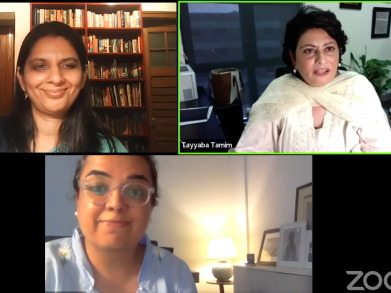
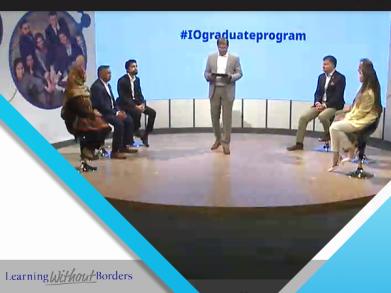
A panel discussion moderated by Dr. Hadia Majid explored evidence, policy, and practical approaches to advancing climate-resilient education in Pakistan. Key contributions included:
- Dr. Aftab Alam, Director, SEMIS, Sindh Reform Support Unit, emphasised reliable school indicators, data integration, and emergency planning to minimise dropout.
- Mr. Ali Tauqeer Sheikh, Expert on Climate Risk Management, highlighted under-reporting of losses and the importance of making educational impacts visible to inform funding and policy decisions.
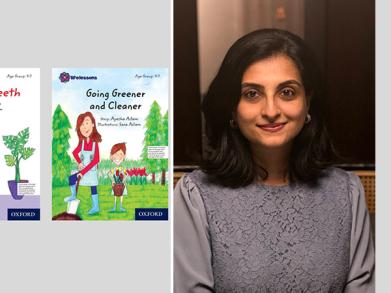
- Ms. Ambreena Ahmed, Director, Teachers Resource Center, shared insights from climate-change curriculum work and stressed locally grounded learning, teacher preparedness, and inclusion.
- Mr. EhsanUllah, UNICEF Education Sector Working Group, emphasised continuity of learning and combining disaster and response data to support emergency planning.
Mr. Sohail Raza, Director, Data Analytics, CERP, synthesized the day’s discussions and reflected on the cumulative costs of learning loss, challenges in accessing existing datasets, and the need for responses suited to local contexts. Dr Ehtasham Anwar, Team Lead, DARE-RC, provided the closing remarks with great insights from the field.
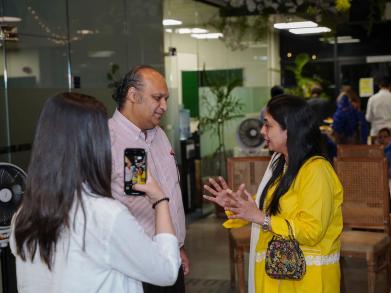
The dialogue highlighted the need for stronger coordination, accessible and integrated data, and practical measures to protect learning during climate emergencies. It also provided opportunities for continued exchange and potential collaboration among researchers, policymakers, and implementing organisations.