

LUMS School of Education Brings Educators Together to Champion Trauma-informed Approaches to Student Well-being

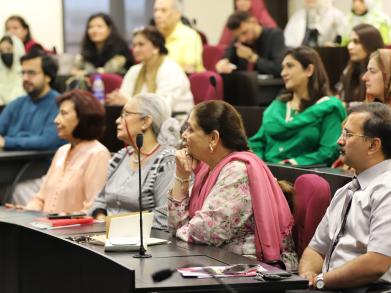
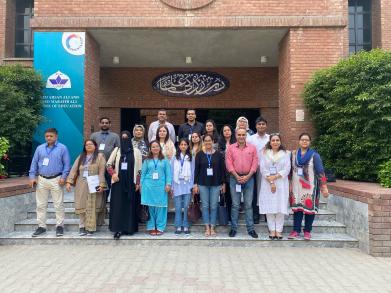
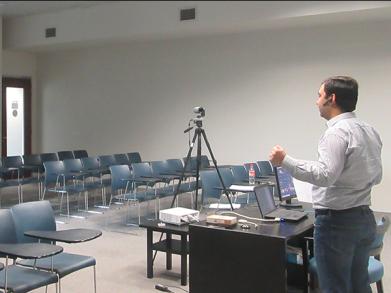
On September 23, 2026, the LUMS Syed Ahsan Ali and Syed Maratib Ali School of Education (SOE), in collaboration with the Ali Institute of Education (AIE), hosted the seminar “Recognizing and Supporting Students’ Mental Health: Trauma-informed Approaches as a Whole-School Framework.” The event marked the culmination of a year-long project by SOE LUMS, in partnership with the Sanjan Nagar Public Education Trust (SNPET), focused on developing the whole school as a trauma-informed system.
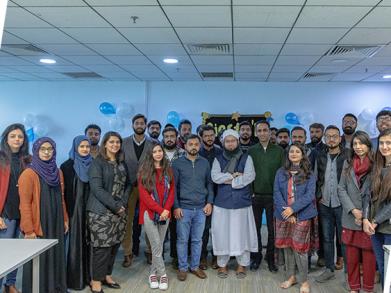
The seminar brought together educators, researchers, government officials, and school leaders to examine how schools can better recognise and respond to the mental health needs of their students. A central message throughout the day was that mental health cannot be treated as something separate from teaching and learning, but must be understood as part of the relational core of education.
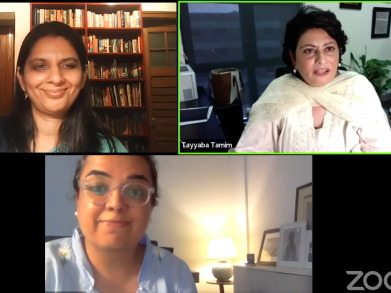
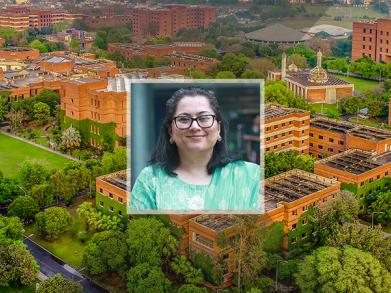
Opening the discussion, Dr. Tayyaba Tamim, Dean, SOE LUMS, highlighted the hidden burdens that many children carry into the classroom. “Students carry invisible scars which they bring into the classroom,” she said, emphasising the need for schools to recognise the experiences and emotional realities that shape how students learn and participate. She further reflected on the nature of institutional change, noting, “Building a trauma-informed system is never a finished process.”
Ms. Fizza Suhail, Faculty Member, SOE LUMS and subject lead for the project, outlined the case for a trauma-informed framework that serves every learner. “We need to have classrooms for students who are regulated and available to learn, but we also need the same classrooms to be there for students who are overwhelmed, dysregulated and unable to focus,” she explained. She further emphasised that the framework is “inclusive of all students: both neurotypical and neurodivergent students, children facing adversity or those who live with a disability and also for children whose nervous systems are ready and primed to learn.”
Reflecting on how schools approach student performance, Ms. Suhail also posed a fundamental question: “Are we being sincere to them, asking for good performance?” She noted that schools often “look at mental health as something separate,” when in reality, student well-being is closely connected to their capacity to engage, learn, and flourish.
The discussion then turned to the experience of Sanjan Nagar Public Education Trust (SNPET), where trauma-informed practices have been embedded across the school over the course of the project. Ms. Attiya Anwar, Head of Secondary Section, SNPET, explained that the aim was not to turn teachers into mental health professionals, but to change how they understand and respond to students: “The aim was not to make teachers mental health professionals but to change their perspective.”
Among the strategies introduced at SNPET is “Connect before correct,” encouraging teachers to build connection and understand a student’s experience before responding to behaviour. The approach reflects a broader shift “from discipline to care,” as described by Ms. Beena Raza, Board Member, SNPET.
Panel Discussion: A Whole-School Approach
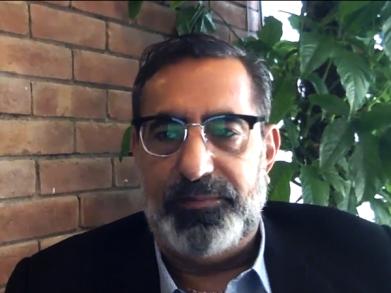
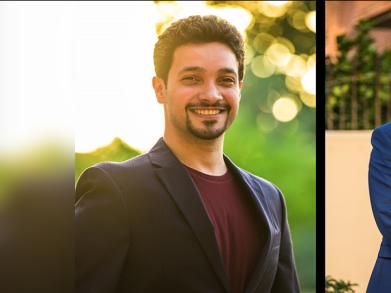
The seminar concluded with a panel discussion moderated by Hasham Nasir, Faculty Member, SOE LUMS, bringing together perspectives from education, school leadership, mental health, and institutional practice. The panel featured Dr. Khurram Shahzad, CEO, Nawaz Sharif Center of Excellence Early Childhood Center; Ms. Sidra Jawwad, Head of Education, Cambridge Pakistan; Ms. Sara Faizan Malik, Director, Ali Institute of Education; Ms. Beena Raza, Board Member, SNPET; and Ms. Fizza Suhail, Faculty Member, SOE LUMS, trauma therapist and researcher.
The discussion emphasised that “mental health does not mean the absence of mental illness; in simple terms, it means to be able to flourish in school and beyond.” Panelists called on schools to move from a reactive to a proactive approach and highlighted the close relationship between teacher and student well-being. The discussion also challenged the idea that simply hiring counsellors is sufficient to address student mental health needs. Instead, speakers emphasised the importance of building systems in which responsibility for well-being is shared across the school.
The seminar concluded with a shared emphasis on sustained, school-wide change. Rather than treating trauma-informed practice as a one-time intervention, the discussion highlighted the importance of continually developing school cultures, relationships, and systems that enable students and educators to feel safe, supported, and able to thrive.